Handcrafted Clay Leaf Plates: Where Ancient Tradition Meets Timeless Craftsmanship
Handcrafted Clay Leaf Plates: Where Ancient Tradition Meets Timeless Craftsmanship
Introduction
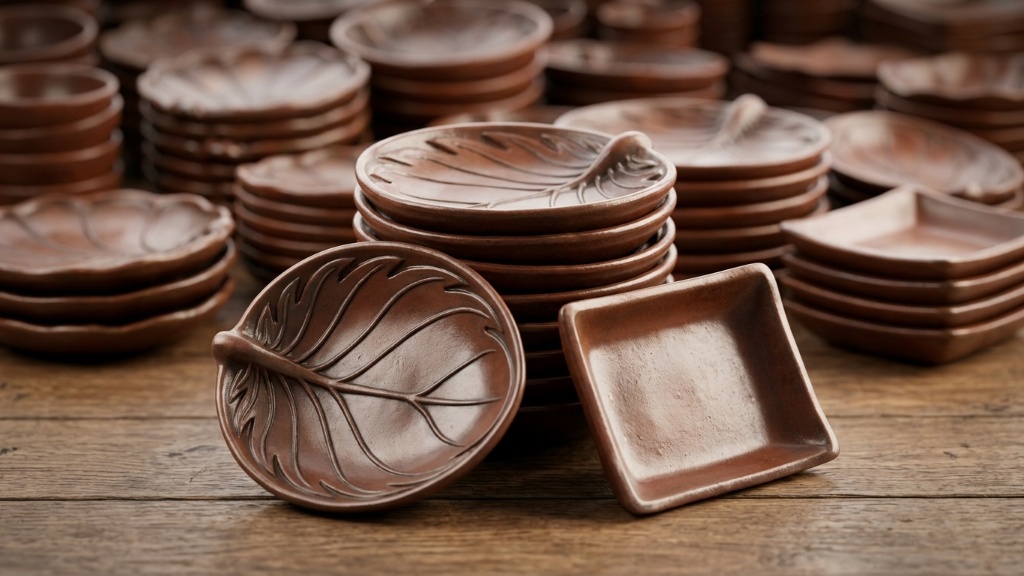
In a world increasingly dominated by mass production and synthetic materials, there remains a quiet beauty in objects made by hand, shaped by human to uch, and rooted in centuries of cultural memory. Among these treasures is the handcrafted clay leaf plate — a piece of pottery that transforms simple earth into a functional work of art. Carved with intricate leaf-vein patterns and molded into the graceful shape of a natural leaf, these plates are not just tableware; they are storytellers, carrying with them the history, values, and creativity of the communities that have made clay pottery for generations.
This article explores the rich history behind clay pottery, the cultural and practical uses of leaf-shaped clay plates, and the many advantages that continue to make them relevant and cherished in modern society.
The History of Clay Pottery

Pottery is one of humanity's oldest crafts, dating back over 20,000 years to the earliest civilizations that discovered how to shape wet clay and harden it through fire. Long before plastic, glass, or industrial ceramics existed, people relied on clay to create vessels for cooking, storing food, and serving meals. Across Asia, Africa, the Middle East, and the Americas, clay pottery developed independently, yet many cultures arrived at strikingly similar techniques — kneading clay, shaping it by hand or on a wheel, carving decorative patterns, and firing it in kilns or open flames to achieve durability.
In Southeast Asia, particularly in regions of Indonesia, Vietnam, and Thailand, clay pottery has long been intertwined with daily life and spiritual practice. Villages historically built their economies around pottery-making, with skills passed from mother to daughter, or master to apprentice, over countless generations. Clay was seen not merely as a raw material but as a gift from the earth, something to be honored through careful craftsmanship.
The tradition of shaping plates and vessels into natural forms — such as leaves, flowers, and animals — reflects a deep-rooted reverence for nature found in many Asian philosophies. Leaves, in particular, held symbolic meaning long before pottery existed. In ancient times, banana leaves, teak leaves, and lotus leaves were used as natural, biodegradable plates for serving food during ceremonies, family meals, and community gatherings. When artisans began working with clay, it was only natural that they would recreate the familiar and beloved shape of the leaf, merging the practicality of natural leaf-plates with the permanence and elegance of fired clay.
Over time, this craft evolved from simple utilitarian items into refined decorative pieces, often carved with intricate vein patterns that mimic the natural texture of real leaves. Today, these clay leaf plates represent a beautiful continuity between ancient traditions and contemporary artistry.
The Craftsmanship Behind Each Piece
Creating a clay leaf plate is a labor-intensive process that requires patience, skill, and an intimate understanding of the material. Artisans begin by selecting high-quality clay, often sourced locally from riverbanks or clay-rich soil regions known for producing fine, workable earth. The clay is cleaned of impurities, kneaded thoroughly to remove air bubbles, and left to rest until it reaches the ideal consistency for shaping.
Once ready, the clay is either thrown on a pottery wheel or, more commonly for leaf-shaped designs, hand-molded and pressed into leaf forms using wooden molds or freehand shaping techniques. This is where the artisan's skill truly shines — carving delicate vein lines across the surface with small wooden or metal tools, replicating the natural branching patterns found in real leaves. Every plate is slightly different, as no two hand-carved veins are ever perfectly identical, giving each piece its own unique character.
After shaping, the plates are left to dry slowly in a shaded area to prevent cracking. This drying process can take several days, depending on humidity and thickness. Once fully dried, the plates are fired in a kiln at high temperatures, a process that hardens the clay and gives it the deep, earthy brown or reddish tone commonly associated with traditional terracotta pottery. Some artisans apply a final polish using smooth stones or natural oils to enhance the surface sheen and durability.
This entire process — from raw clay to finished plate — can take anywhere from several days to a few weeks, depending on the complexity of the design and the drying and firing conditions. It is this dedication to slow, mindful craftsmanship that sets handcrafted clay leaf plates apart from factory-made alternatives.
Traditional and Modern Uses
Historically, clay leaf plates served a wide variety of purposes within households and communities. In many rural areas, they were used for everyday meals, offering a durable and reusable alternative to disposable leaf plates while still honoring the aesthetic and symbolic connection to nature. Families would use them to serve rice, vegetables, and traditional dishes during daily meals, as well as during special occasions such as weddings, religious ceremonies, and communal feasts.
In spiritual and ceremonial contexts, leaf-shaped plates held particular significance. Leaves have long been associated with offerings to deities, ancestors, and spirits in various Asian religious traditions. Using a clay plate shaped like a leaf during these rituals was a way of preserving the symbolic meaning of natural leaf offerings while providing a more permanent and reusable vessel. This blending of the practical and the sacred is a hallmark of many traditional crafts, where everyday objects carry deeper cultural weight.
In modern times, the uses of clay leaf plates have expanded significantly. They are now popular in:
Home dining and entertaining — Used as serving plates for appetizers, snacks, desserts, and small dishes, adding a rustic and elegant touch to dinner parties and family gatherings.
Restaurants and cafés — Increasingly favored by establishments that want to create a unique, artisanal dining experience, particularly those focused on traditional or fusion cuisine.
Home décor — Displayed as decorative pieces on shelves, dining tables, or wall mounts, appreciated purely for their aesthetic and sculptural beauty.
Gifting — Given as thoughtful, culturally meaningful gifts for housewarmings, weddings, and special celebrations, especially among those who value handmade and sustainable products.
Tea ceremonies and gatherings — Used alongside teapots and cups as part of a curated, nature-inspired table setting.
This versatility demonstrates how a product rooted in ancient tradition can seamlessly adapt to contemporary lifestyles without losing its cultural essence.
The Advantages of Clay Leaf Plates
Eco-Friendly and Sustainable
One of the most significant advantages of clay leaf plates is their environmental friendliness. Unlike plastic or synthetic tableware, clay is a completely natural material sourced directly from the earth. It requires no harmful chemical processing, and at the end of its lifecycle, it naturally biodegrades without releasing toxins into the environment. In an era where consumers are increasingly conscious of their environmental footprint, choosing clay pottery over plastic alternatives is a meaningful step toward sustainable living.
Durability and Longevity
While natural leaf plates are biodegradable but short-lived, clay versions offer the best of both worlds — the aesthetic and symbolic charm of a leaf shape combined with the durability of fired ceramic. With proper care, a well-made clay plate can last for decades, becoming a lasting household item rather than a disposable one. This durability also makes them a more economical choice in the long run, despite a higher upfront cost compared to mass-produced disposable options.
Heat Resistance and Food Safety
Clay pottery has natural heat-retention and heat-resistant properties, making it ideal for serving both hot and cold dishes. Unlike plastic, which can warp or leach chemicals when exposed to heat, clay remains stable and safe. Many cultures have long believed that food served on clay retains its natural flavor better than food served on metal or plastic, a claim supported by clay's porous nature, which allows for subtle moisture regulation.
Unique, Handmade Character
In a market flooded with identical, factory-produced goods, handcrafted clay leaf plates stand out for their individuality. Because each piece is shaped and carved by hand, no two plates are exactly alike. Slight variations in curve, vein pattern, and surface texture give each plate a one-of-a-kind quality that mass production simply cannot replicate. For consumers seeking authenticity and craftsmanship in their homeware, this uniqueness is a major draw.
Cultural and Aesthetic Value
Beyond their practical benefits, clay leaf plates carry deep cultural significance. Owning one is not just about acquiring a functional item — it's about connecting with a centuries-old tradition of craftsmanship and honoring the artisans who continue to practice these skills today. Their natural, earthy aesthetic also fits beautifully into various interior design styles, from rustic farmhouse to modern minimalist, making them a versatile addition to any home.
Supporting Local Artisans and Communities
Purchasing handcrafted clay pottery directly supports local artisan communities, many of whom rely on traditional crafts as a primary source of income. In many regions, pottery-making has been passed down through families for generations, and continued demand for these products helps preserve not only the craft itself but also the livelihoods and cultural identity of the communities that produce them. In this way, every purchase becomes a small act of cultural preservation.
Caring for Your Clay Leaf Plate
To ensure longevity, clay leaf plates should be cared for with a few simple practices. Hand washing with mild soap and warm water is generally recommended, as harsh detergents and abrasive scrubbing can wear down the natural surface over time. Avoiding sudden temperature changes — such as moving a plate directly from the refrigerator to a hot oven — helps prevent cracking. Additionally, storing the plates in a dry place away from prolonged moisture exposure will help maintain their structural integrity and appearance for years to come.
Conclusion
Handcrafted clay leaf plates represent far more than a simple piece of tableware. They embody thousands of years of pottery-making history, the symbolic and spiritual significance of natural leaves, and the enduring skill of artisans who continue to shape earth into art. From ancient ceremonial offerings to modern dinner tables, these plates have adapted across centuries while retaining their cultural soul.
Their eco-friendly nature, durability, heat resistance, and one-of-a-kind craftsmanship make them a compelling choice for anyone seeking to bring beauty, sustainability, and cultural depth into their home. In choosing a clay leaf plate, one is not merely selecting a product — one is embracing a piece of living heritage, shaped by hand and rooted in the timeless relationship between humanity and the natural world.